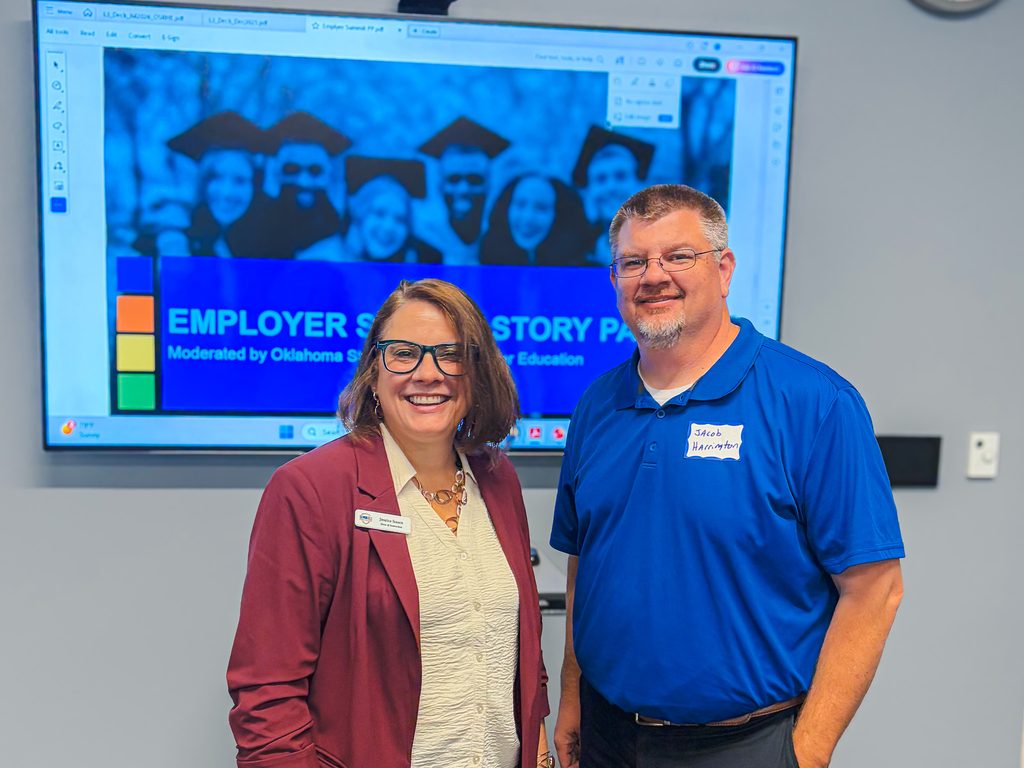
Seminole State College Dean of Instruction Jessica Isaacs and Business and Industry Coordinator Jacob Harrington attended the Oklahoma State Regents for Higher Education and UpSkillOK Employer Microcredential Summit on Oct. 21 in Oklahoma City. The event brought together higher education representatives, employers and workforce leaders to explore how industry-aligned microcredentials can address skills gaps, strengthen talent pipelines and support workforce development across Oklahoma.
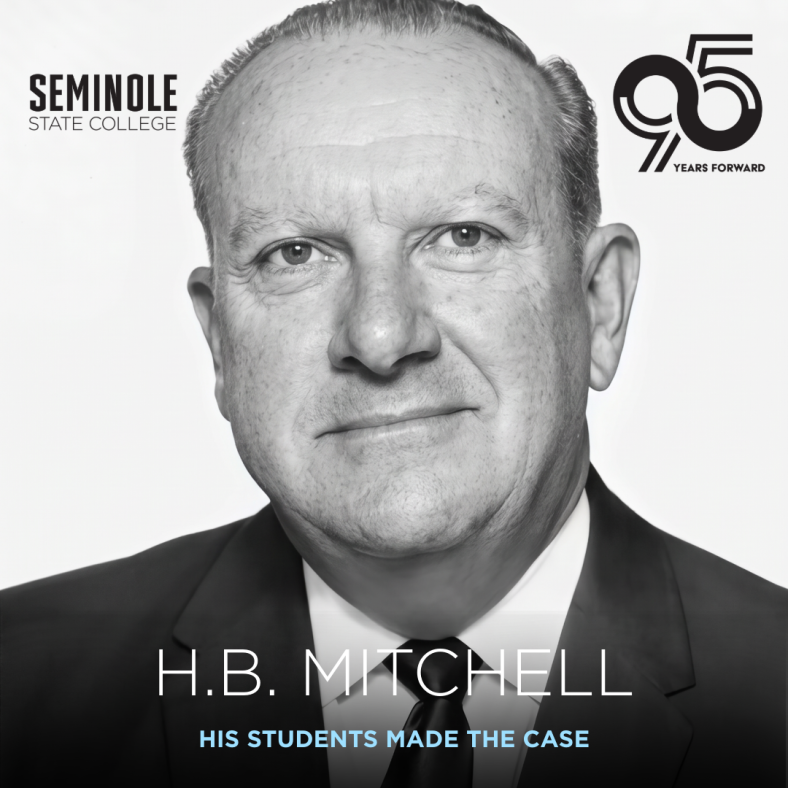
Before David Boren became governor of Oklahoma or a U.S. senator, Harland B. Mitchell was trying to get him to speak in class.
Boren was frightened of addressing an audience, even his classmates. In a 2016 interview with Voices of Oklahoma, he recalled sitting through debate class while the other students got up to speak. Near the end of the semester, Mitchell gave him a warning.
“You’re going to get an F if you don’t get up and speak,” Boren remembered his teacher telling him.
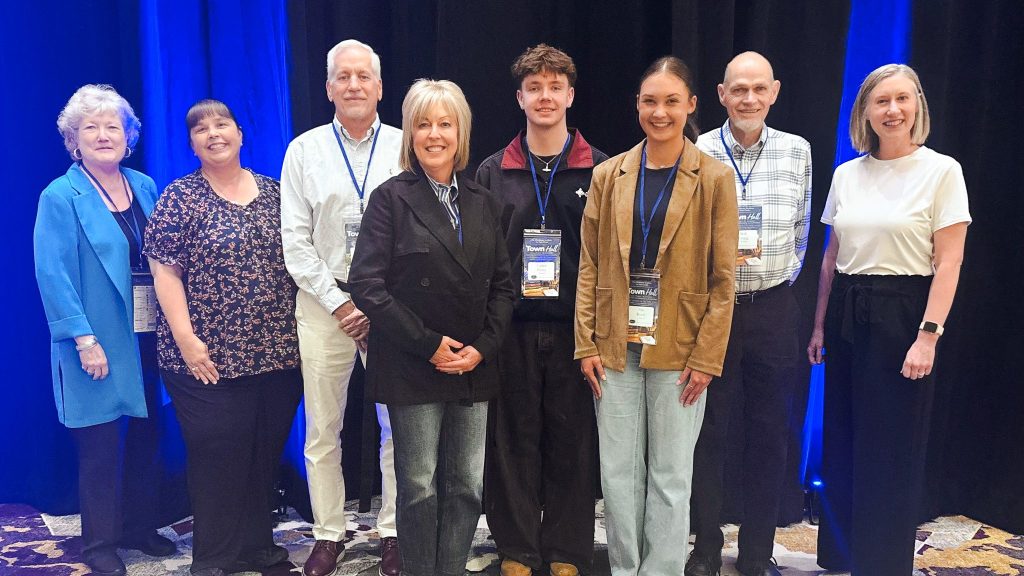
Several Seminole-area residents participated in the Oklahoma Academy for State Goals’ Town Hall on education Oct. 18-21 at WinStar World Casino and Resort in Thackerville. The four-day conference, themed “Challenges to Change: Shaping Tomorrow’s Classrooms,” brought together more than 150 participants and observers to hear from speakers and participate in panel discussions addressing challenges facing Oklahoma’s K-12 education system and exploring opportunities for improvement. Pictured, from left, are Seminole State College President Lana Reynolds; Seminole Chamber of Commerce CEO Amy Britt; SSC Educational Foundation Chair and Seminole Public Schools Board Chair Mark Schell; SSC Educational Foundation Trustee Kim Hyden; SSC students Caden Pierce and Mia Reich; Seminole Public Schools Superintendent Dr. Bob Gragg; and SSC Director of Community Relations Kim Pringle.
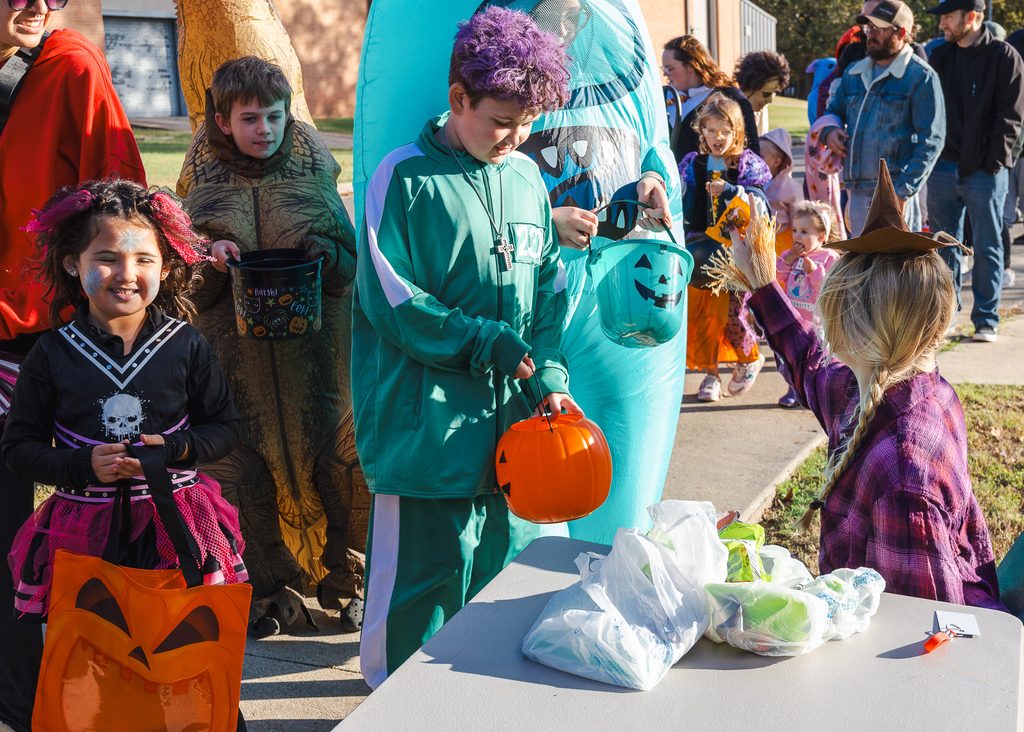
Seminole State College will host its annual Trick or Treat Trail on Tuesday, Oct. 27, from 5 to 6:30 p.m. in Henderson Park on campus. SSC students and employees will distribute candy at stations along the walking trail surrounding the north pond. The event is free and open to the public, and children are encouraged to wear Halloween costumes. Organized by the college’s Campus Activities office, the event is coordinated by Director of Residential Life and Student Activities Melinda Sims. For more information, contact Sims at m.sims@sscok.edu.
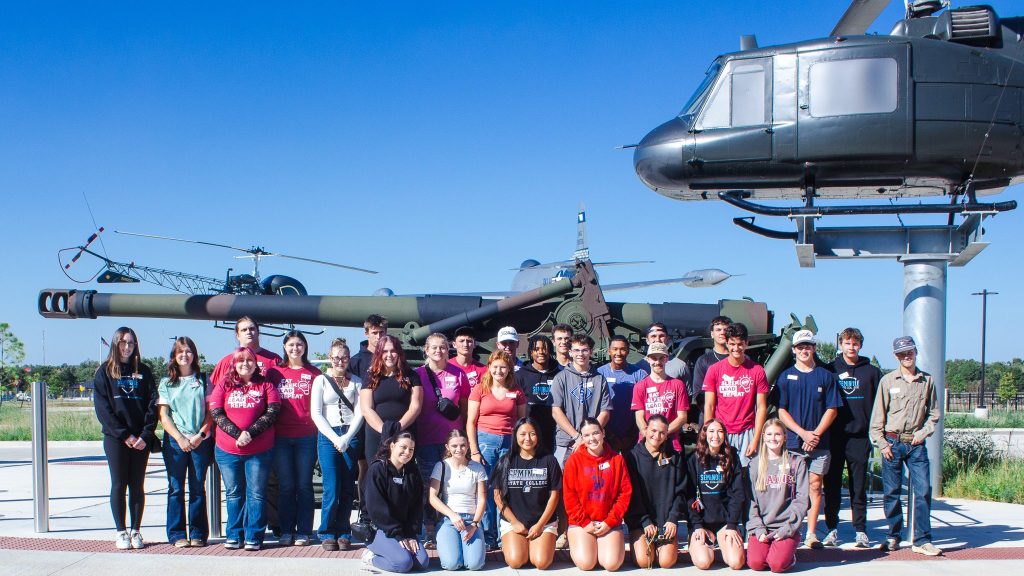
Seminole State College President’s Leadership Class students recently toured the Oklahoma National Guard Museum in Oklahoma City. The museum, which opened a new facility in June 2026, preserves the history of the Oklahoma National Guard and the 45th Infantry Division. Exhibits highlight Oklahoma’s contributions to World War II, the liberation of the Dachau concentration camp and the stories of National Guard members who received the Medal of Honor.
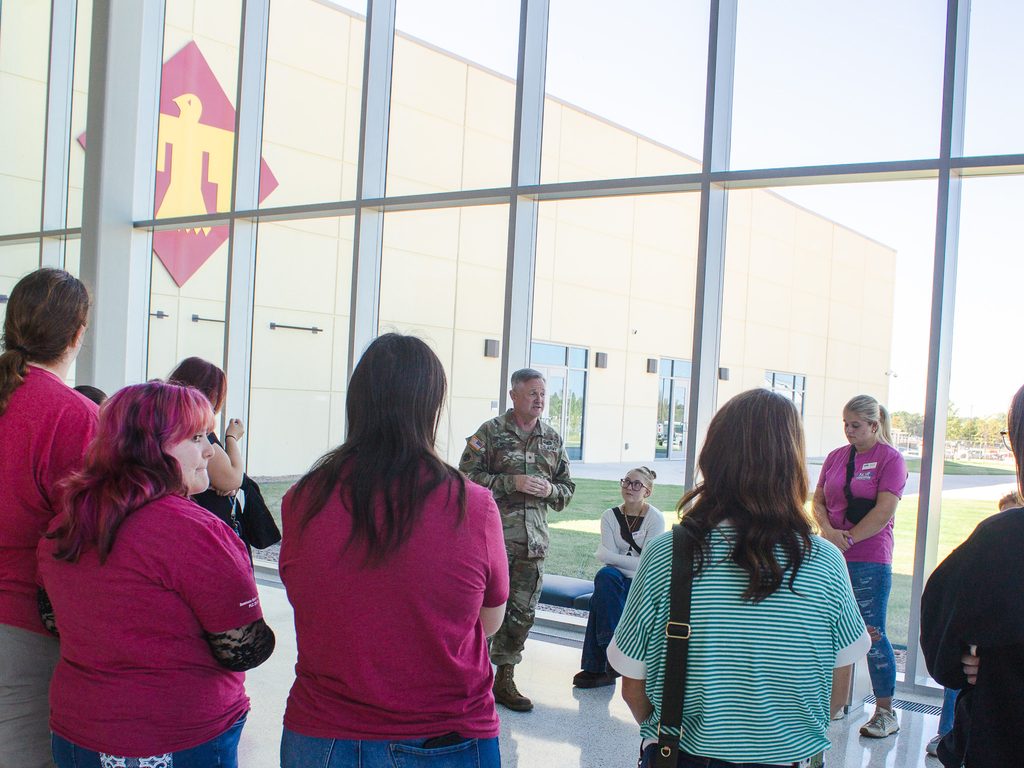
Seminole City Attorney and Oklahoma Army National Guard Brig. Gen. Brad Carter visits with Seminole State College President’s Leadership Class students during their tour of the Oklahoma National Guard Museum.
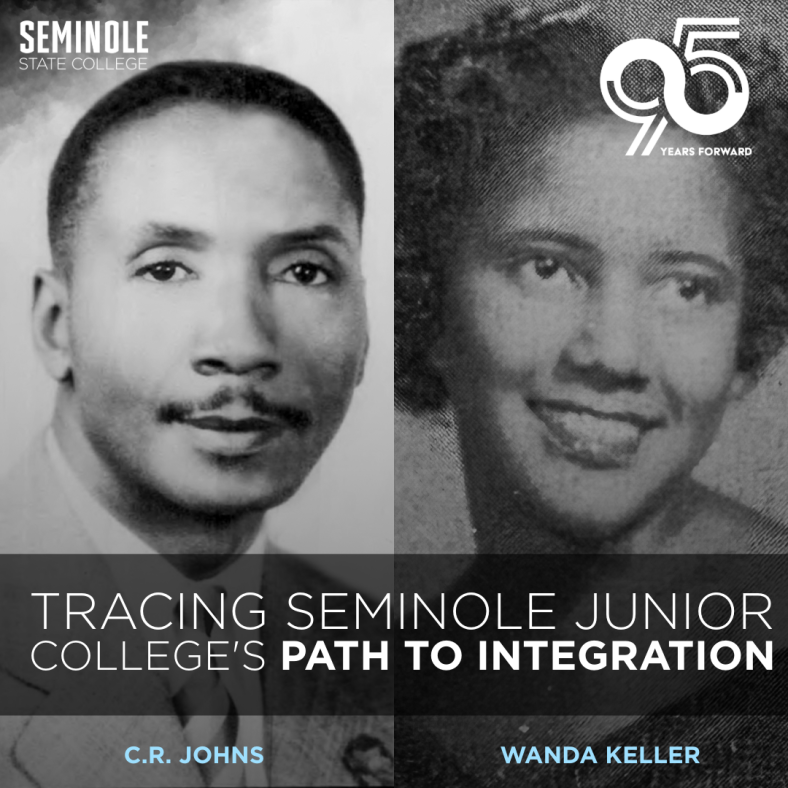
Wanda Leona Keller entered Seminole High School as a senior in the fall of 1955, the first year it admitted Black students. When she graduated the following spring, another newly opened opportunity awaited. That fall, she became one of the first two Black students to enroll at Seminole Junior College.
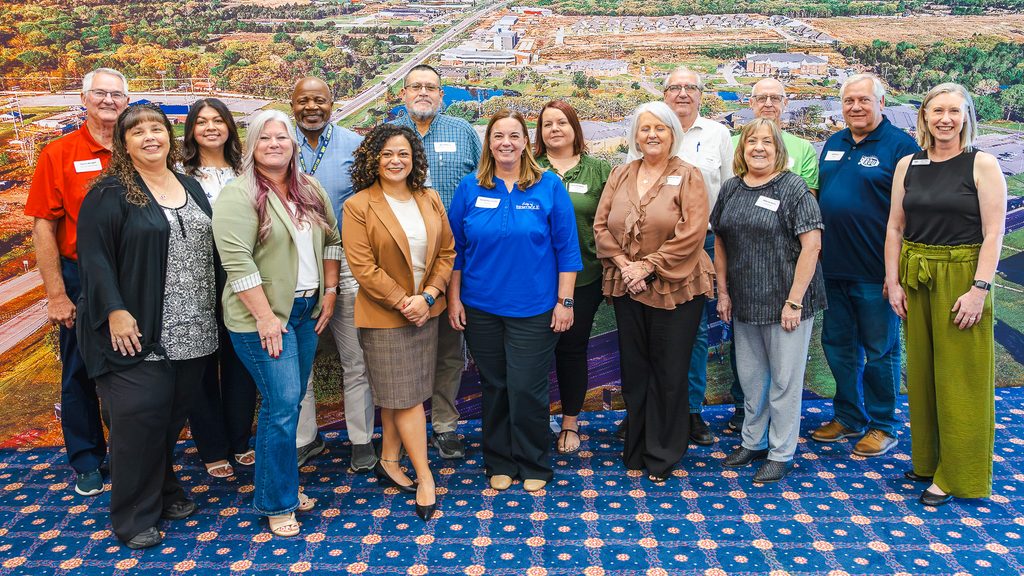
City and chamber of commerce leaders from across the region gathered at Seminole State College on Oct. 6 for the Rural Economic Development Summit, held at the Enoch Kelly Haney Center. The event brought together representatives from Hughes, Lincoln, Okfuskee, Pottawatomie and Seminole counties for discussions on regional economic development, workforce development and opportunities for collaboration. The summit featured representatives from the Oklahoma Department of Commerce and the Oklahoma State Regents for Higher Education.
Pictured, from left, are Danny Morgan, SSC Rural Business and Resources Center; Amy Britt, Seminole Chamber of Commerce; Tsanceria Hernandez, Gordon Cooper Technology Center; Kimberly Elliott, Tecumseh Chamber of Commerce; Clarence Prevost, Gordon Cooper Technology Center; Lucia Dickinson, Oklahoma State Regents for Higher Education; Bert Robison, Wes Watkins Technology Center; Samantha Stanfill, City of Seminole; Jessica Steele, City of Seminole; Theresa Barkhimer, City of Holdenville; Jim Greff, City of Prague; Roberta Davis, Holdenville Chamber of Commerce; Bob Pearman, City of Stroud; Jeff Stiner, City of Stroud; and Kim Pringle, Seminole State College. Others attending, but not pictured, were: Jared Cooper, Oklahoma Department of Commerce and Dana Reed, Wetumka/Wewoka ECO Family Center.
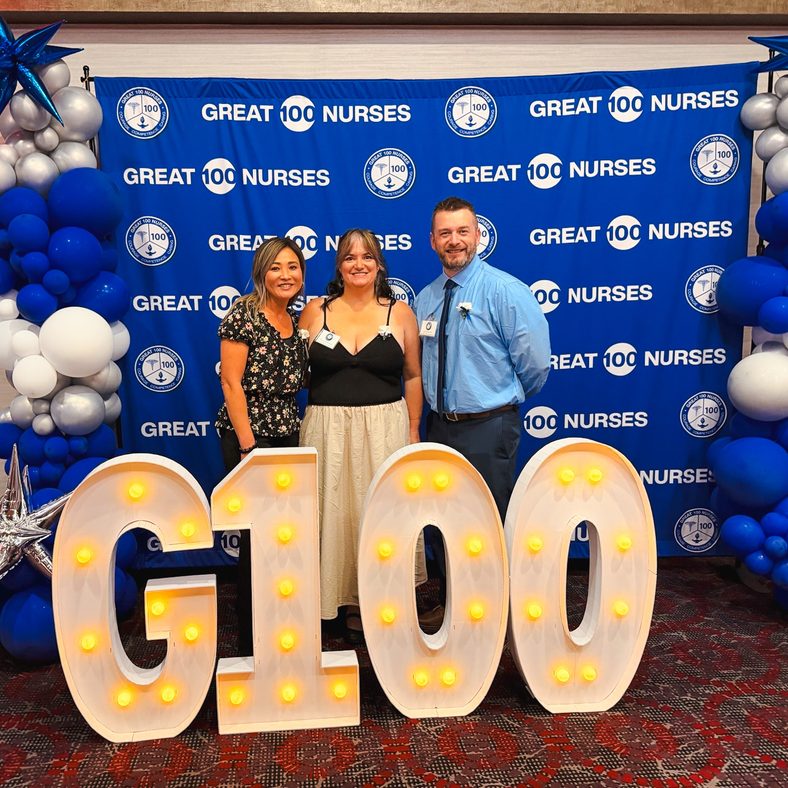
Seminole State College Assistant Professor of Nursing Butch Cantrell’s path to nursing began with an offer from his wife: $100 if he would apply to nursing school.
At the time, he had spent about a decade working in church creative arts, handling music, audio and video. Nursing was not a career he had planned to pursue.
On Oct. 4, Cantrell was recognized among Oklahoma’s Great 100 Nurses during a celebration at the Hard Rock Casino in Catoosa. The Great 100 Nurses Foundation annually honors 100 registered nurses in the state for their concern for humanity, contributions to nursing and dedication to mentoring others.
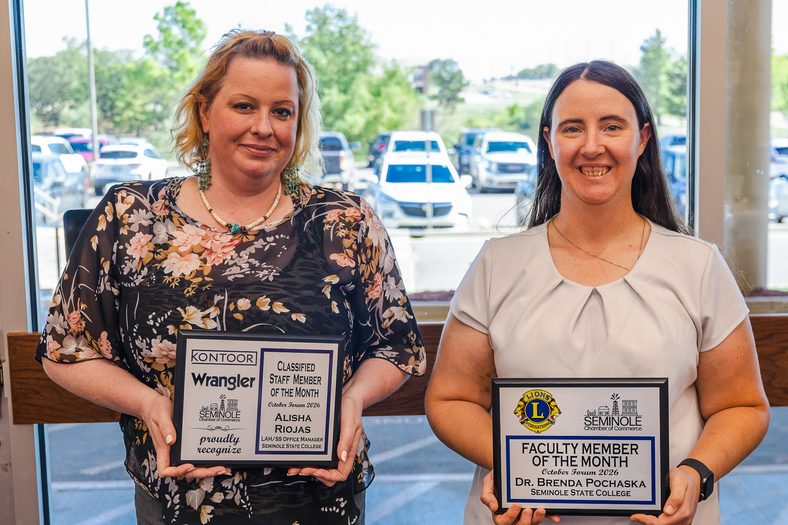
Two Seminole State College employees were recognized for their dedication and service during the Seminole Chamber of Commerce Forum on Thursday, Oct. 8. Office Manager of the Language Arts and Humanities and Social Sciences Divisions Alisha Riojas was honored as Staff Member of the Month, and Assistant Professor of Criminal Justice Dr. Brenda Prochaska was named Faculty Member of the Month.
The Seminole Chamber of Commerce Education Committee, along with the Lions Club and Kontoor Brands/Wrangler, recognizes SSC employees several times during Forum each year. Honorees are nominated from across campus and selected by college administrators.
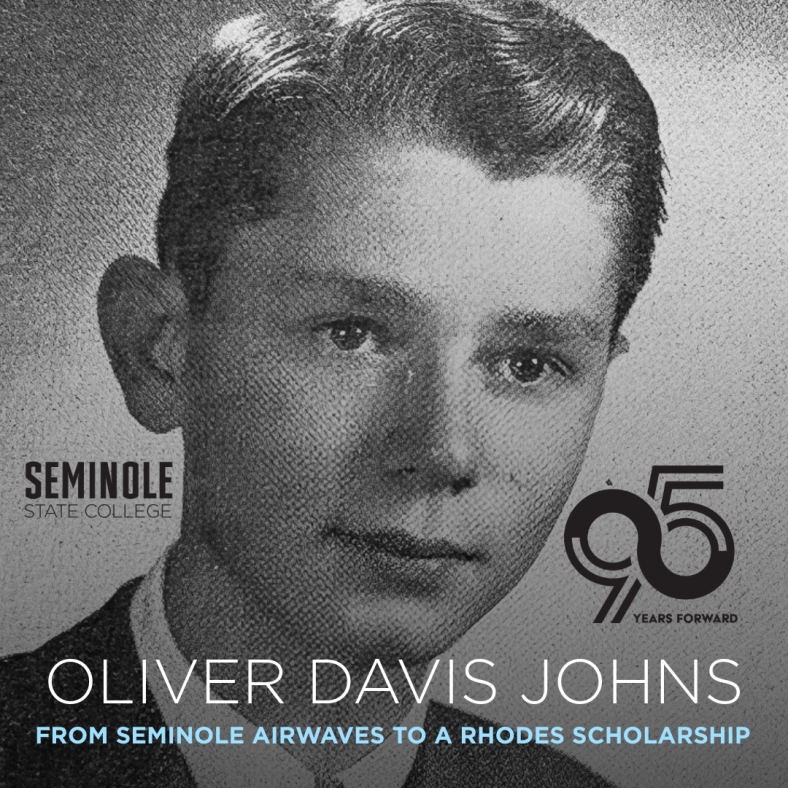
Before Oliver Davis Johns became a Rhodes Scholar, he was a teenage radio engineer saving money to get to MIT.
He recalled getting up at 5 a.m., driving to Wewoka and putting the local station on the air. His work also included announcing and hosting an afternoon music program.
“We had something in the afternoon called Postcard Parade where people would send in postcards requesting songs and we would play them and read the postcard,” Johns said.