Seminole State College Assistant Professor of Nursing Butch Cantrell’s path to nursing began with an offer from his wife: $100 if he would apply to nursing school.
At the time, he had spent about a decade working in church creative arts, handling music, audio and video. Nursing was not a career he had planned to pursue.
On Oct. 4, Cantrell was recognized among Oklahoma’s Great 100 Nurses during a celebration at the Hard Rock Casino in Catoosa. The Great 100 Nurses Foundation annually honors 100 registered nurses in the state for their concern for humanity, contributions to nursing and dedication to mentoring others.
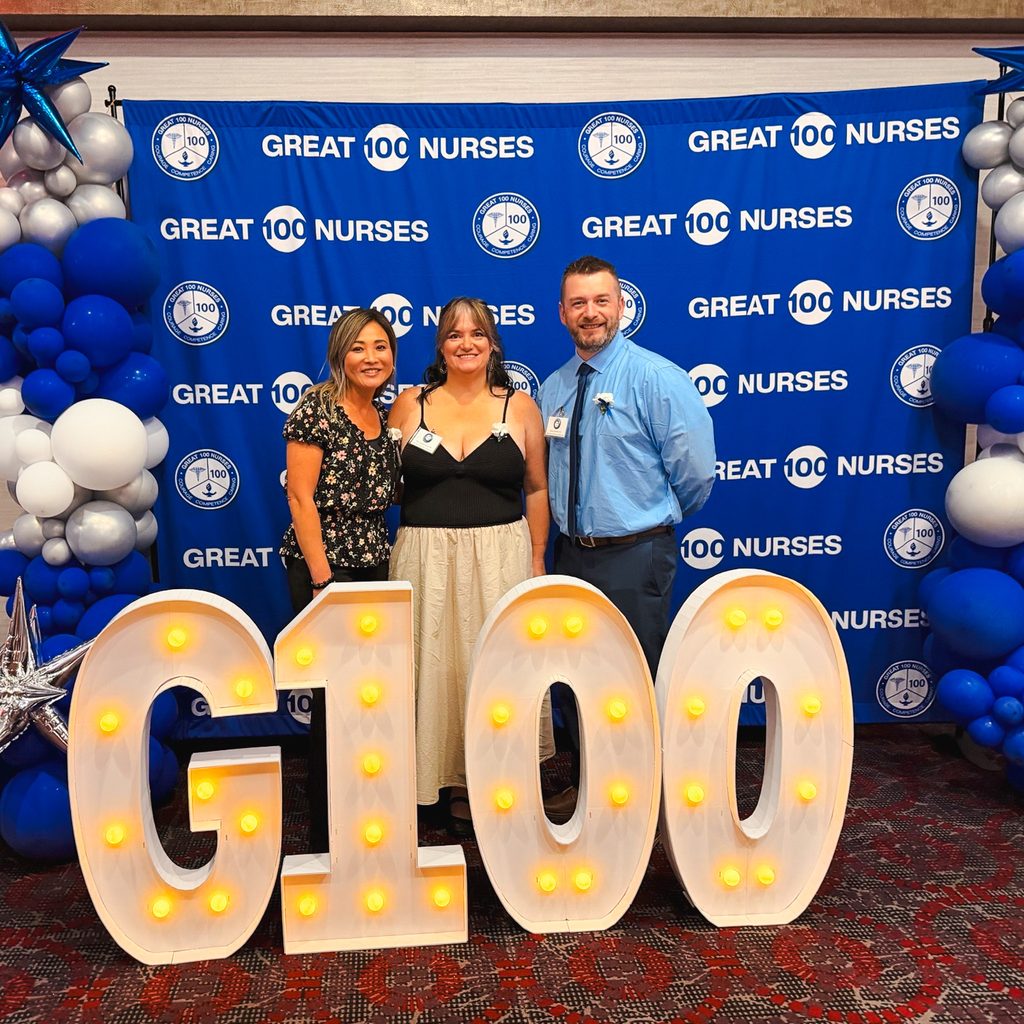
SSC Assistant Professor of Nursing Malinda Figueroa nominated Cantrell. The two also work together at SSM Health St. Anthony Hospital – Shawnee, where Cantrell serves as an emergency department charge nurse on weekends. He said her nomination addressed his work at both the hospital and the college.
Cantrell initially thought Figueroa was submitting his name for an internal hospital award. Even after learning he had been selected for the Great 100 honor, he did not fully appreciate its scope until he arrived at the banquet.
“It was bigger than what I thought it was going to be,” he said.
His introduction to nursing had been similarly unexpected. Cantrell already held a bachelor’s degree from Oklahoma Baptist University and had spent three years on a waiting list for physical therapy school before taking a full-time church position.
Years later, with three children at home, his wife, Jacklyn, told him about the University of Oklahoma’s accelerated nursing program for people who already held a degree in another field. Her offer persuaded him to apply. He completed the application, attended an interview and soon started classes.
“Even though at the time I didn’t think it was a great decision, it turned out to be a good decision,” Cantrell said.
He found a connection between his former work and his new profession: helping people through difficult circumstances.
Now seven years into his work at SSM Health, Cantrell has served in emergency care, the cardiac stress lab and an infusion clinic. He said he spent about three months researching and developing the clinic’s processes, including policies, procedures and insurance authorization.
In the emergency department, he also serves as a preceptor, helping newly graduated nurses develop their skills.
He recalled recently taking over care of a critically ill patient assigned to a new nurse who was managing several patients. Cantrell stayed with the family, explaining medications, vital signs and what was happening. He said the family later thanked him for remaining with them and helping them understand the situation.
That hospital experience also informs his teaching. Cantrell joined SSC as an adjunct clinical instructor in fall 2024 before becoming a full-time faculty member. His weekend hospital schedule allows him to continue practicing while teaching.
“A big reason why I wanted to get into teaching is I see the need for relevance,” he said.
He regularly brings recent clinical experiences into classroom discussions, connecting course material with current practices and changes in patient care.
“I’m all about consistency and showing up and whatever your best is that day, give your best that day,” he said.
Some nurses he first taught as students are now his hospital colleagues. He has watched them progress from their final semester of nursing school through orientation and into nurses he trusts to care for critically ill patients.
For Cantrell, that development is one of teaching’s most rewarding aspects. He wants students to consider how they will eventually guide others, whether as preceptors or nursing educators.
“I’m hoping that I’m shaping the next generation of nurses to want to give back to nursing,” Cantrell said.