Wanda Leona Keller entered Seminole High School as a senior in the fall of 1955, the first year it admitted Black students. When she graduated the following spring, another newly opened opportunity awaited. That fall, she became one of the first two Black students to enroll at Seminole Junior College.
The change extended beyond college admissions. Integration altered where Seminole’s Black students studied and competed, and eventually brought a longtime educator from the city’s segregated school to the junior college.
Seminole Public Schools’ board approved admitting Black students to the high school and junior college on June 20, 1955, effective with the 1955-56 academic year. The decision followed the U.S. Supreme Court’s Brown v. Board of Education rulings, which declared public school segregation unconstitutional in 1954 and addressed implementation the following year.
By December 1956, Southern School News identified Seminole Junior College as one of three Oklahoma junior colleges that had desegregated for the first time that year. Of Seminole’s 65 students, two were Black.
Admissions records reviewed by Seminole State College confirm Keller as one of those students. The records examined have not established the identity of the second.
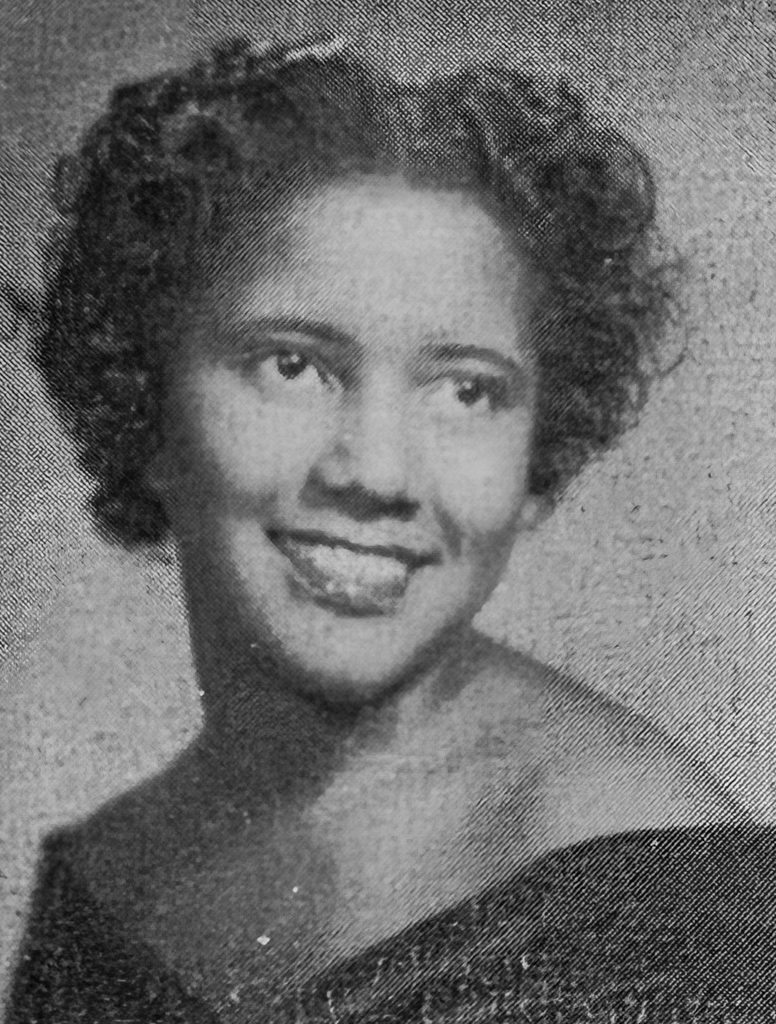
Keller grew up in Seminole, where her father, Clarence B. Keller, joined the police force in 1937. He retired in 1961 after 24 years of service. A July 7, 1961, Seminole Producer article reported that he had worked under five police chiefs and was a fingerprint expert.
Keller’s education also took her to East Central State College, now East Central University in Ada. A January 1958 engagement announcement in The Seminole Producer reported that she had attended East Central and was then attending Seminole Junior College.
After her marriage to Clarence Callahan ended, she pursued beauty school in Oklahoma City while raising their son, Willard.
The Black Dispatch listed Wanda Callahan among the graduates of Nilar Jewel Beauty College in May 1962. A June column reported that she had completed an instructor’s course and accumulated 2,000 hours of training. It described her as capable of running the beauty college, including its typing and office work.
She went on to work as a beautician for the rest of her life. Her obituary recorded that profession when she died in 2007.
For Calvin Robert “C.R.” Johns Sr., integration changed the school where he had spent decades educating Black students.
Johns arrived in Seminole in 1927 to become principal of a one-room segregated school on the east side of town. He later led Booker T. Washington School, where providing students with adequate classrooms and equipment required persistent effort.
His biography in the Oklahoma African American Educators Hall of Fame’s 2017 induction program recounts his campaign for a bond to build a new school. A frame building opened in 1949, but inequalities remained. Students commonly used secondhand textbooks, and working science laboratory equipment was difficult to obtain.
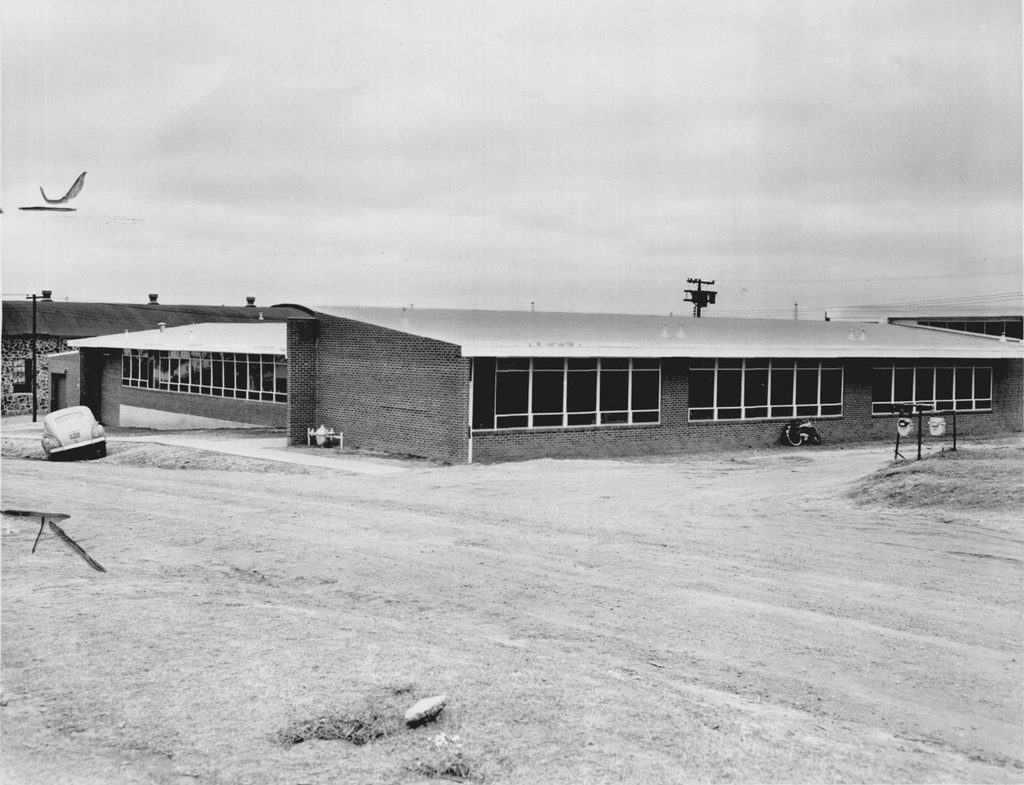
Johns’ responsibilities carried him beyond the classroom. He coached football and basketball, transported teams to games across Oklahoma in his own vehicle and led basketball teams to multiple state championship appearances.
By 1937, he was also president of the Oklahoma Interscholastic Athletic Association, which organized competition for the state’s segregated Black schools.
Seminole Public Schools’ 1955 integration plan ended high school instruction at Booker T. Washington. A June 22 Oklahoma City Times report placed its average daily high school attendance at about 25 students during the preceding year.
Students in grades nine through 12 would attend Seminole High School. Booker T. Washington would continue serving Black students in grades one through eight, with Johns remaining as principal and teacher. His wife, Hattie Johns, also remained on the faculty.
By August, the transfer of students was visible on the football field. The Seminole Producer identified John Payne, Clyde Madden and Jesse Woodfork as former Booker T. Washington players expected to contribute to the Chieftains.
Superintendent O.D. Johns, who was not related to C.R. Johns, oversaw Seminole’s schools during the transition. His son, Oliver Davis Johns, later recalled his father’s assessment.
“My father said integration went so smoothly because it meant Seminole High School would receive a very talented football player. And the bigots in town loved football more than they loved being bigots.”
C.R. Johns continued leading Booker T. Washington until its closure in 1966.
His career in education continued at Seminole Junior College, where he taught social studies. He also served as Special Services Director until 1972 under President Elmer Tanner.
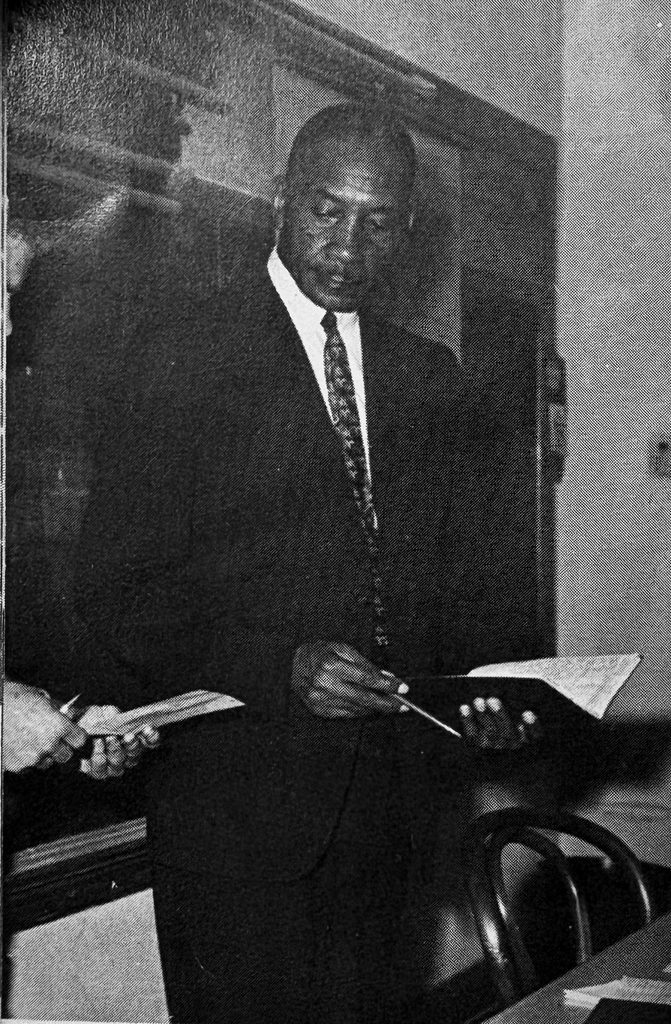
Johns died in 1998. C.R. Johns Park in Seminole bears his name near the former Booker T. Washington School site on Gale Street. The school building burned in Oct. 2010.
The Hall of Fame biography preserved Johns’ description of the lives his former students had built.
“We have some who are in every avenue of life, ministers, teachers, artists, doctors, nurses, professors, computer programmers, housewives; you name it, we have it,” Johns said.