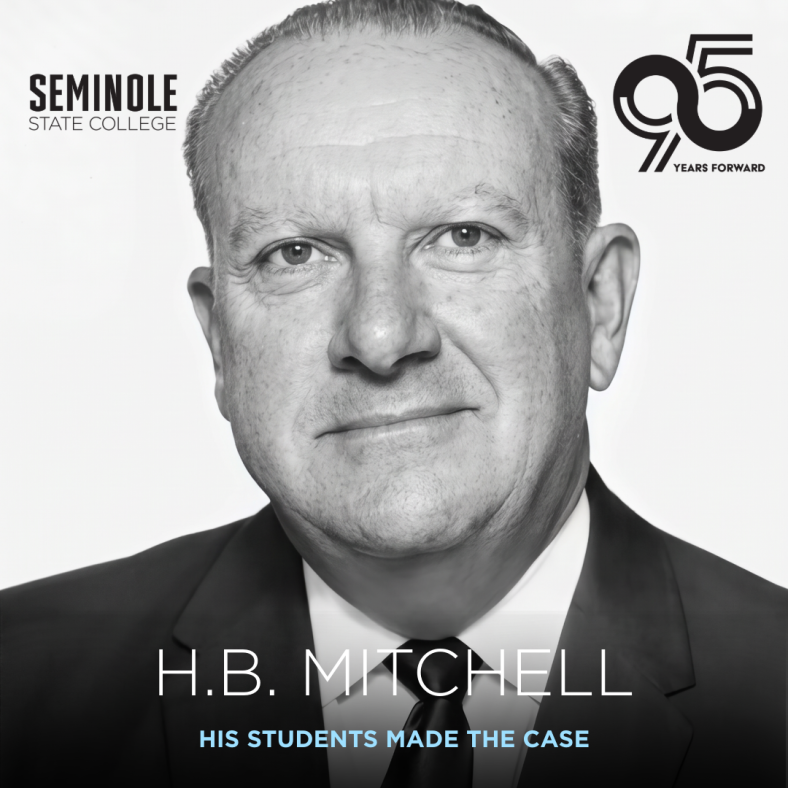
His Students Made the Case: The Legacy of H.B. Mitchell

Before David Boren became governor of Oklahoma or a U.S. senator, Harland B. Mitchell was trying to get him to speak in class.

Boren was frightened of addressing an audience, even his classmates. In a 2016 interview with Voices of Oklahoma, he recalled sitting through debate class while the other students got up to speak. Near the end of the semester, Mitchell gave him a warning.

“You’re going to get an F if you don’t get up and speak,” Boren remembered his teacher telling him.

Continue reading “His Students Made the Case: The Legacy of H.B. Mitchell” →
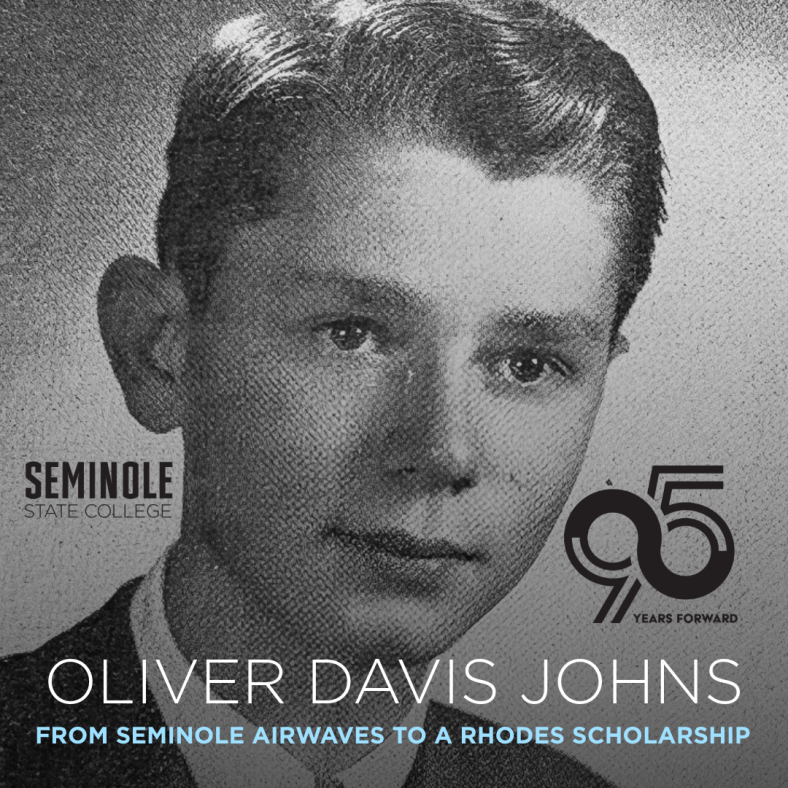
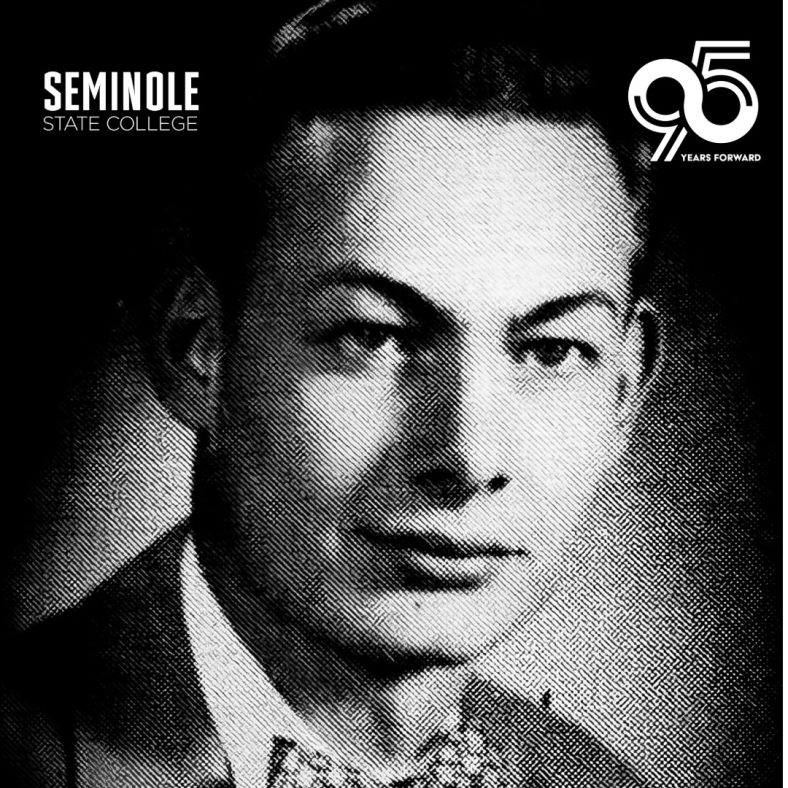
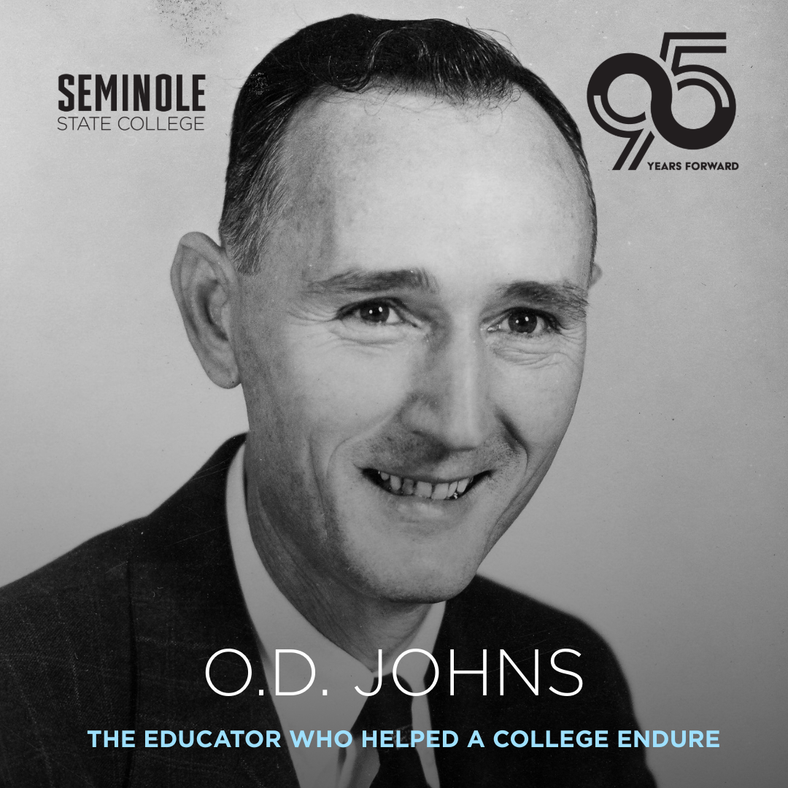
From Seminole Airwaves to a Rhodes Scholarship

Before Oliver Davis Johns became a Rhodes Scholar, he was a teenage radio engineer saving money to get to MIT.

He recalled getting up at 5 a.m., driving to Wewoka and putting the local station on the air. His work also included announcing and hosting an afternoon music program.

“We had something in the afternoon called Postcard Parade where people would send in postcards requesting songs and we would play them and read the postcard,” Johns said.

Continue reading “From Seminole Airwaves to a Rhodes Scholarship” →

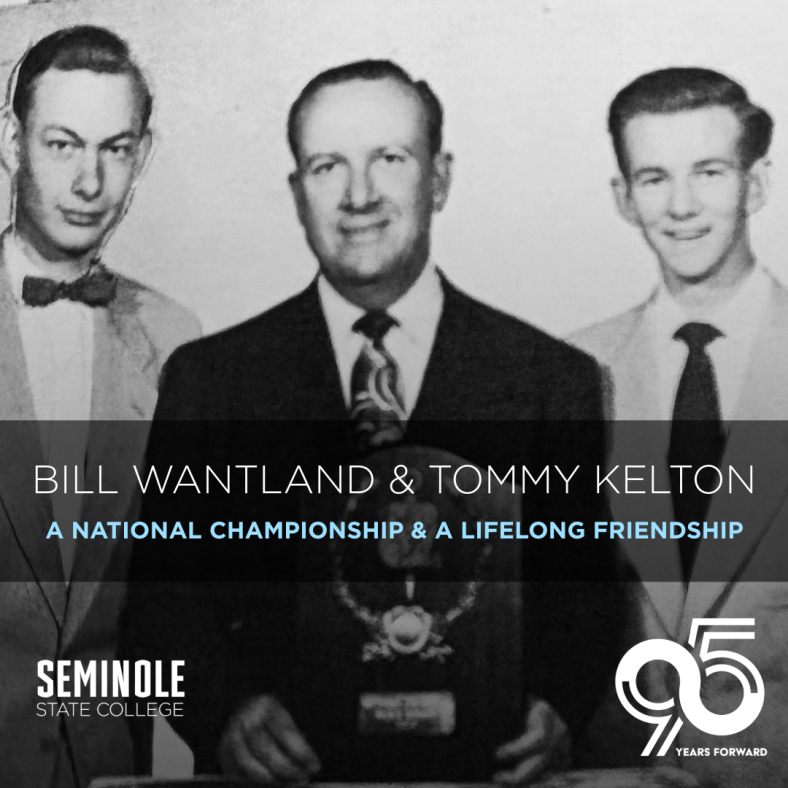
A National Championship and a Lifelong Friendship

Bill Wantland, now 92, was still a high school senior when Tommy Kelton asked him to become his debate partner at Seminole Junior College. Together, they won a national championship in 1952.

Their victory in Pueblo, Colorado, remains one of only two national titles in the history of the institution now known as Seminole State College. The Belles won the other in women’s basketball in 1976.

Continue reading “A National Championship and a Lifelong Friendship” →

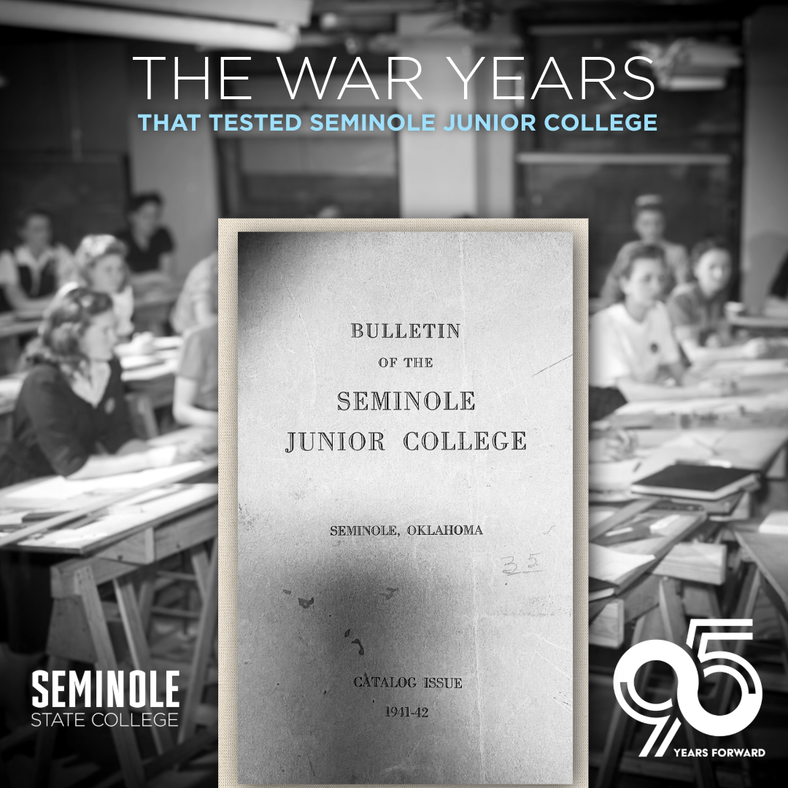
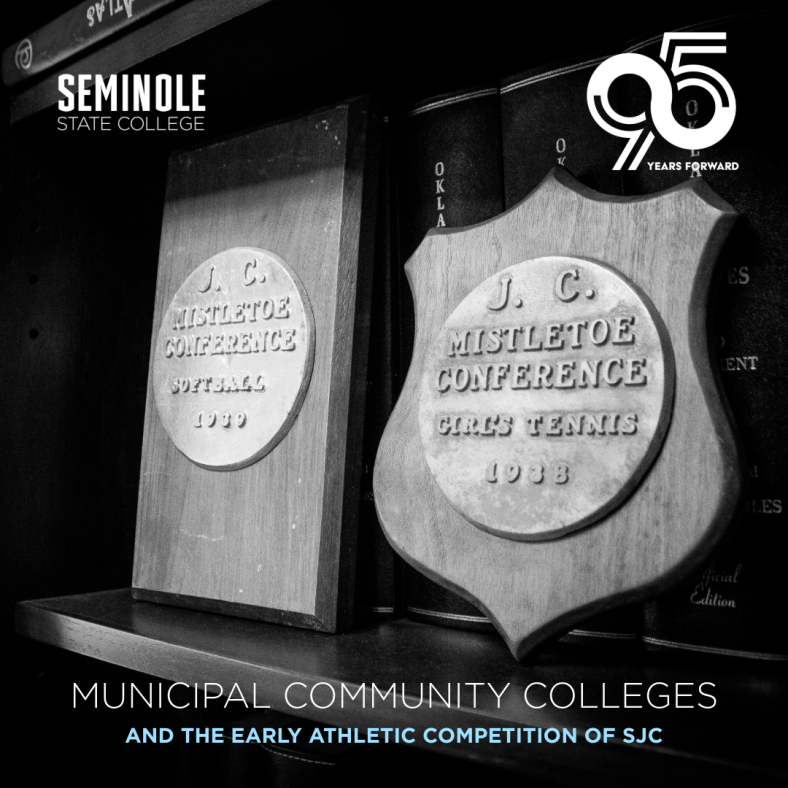
The Municipal Colleges That Brought Higher Education Home

Long before community colleges became a familiar part of Oklahoma higher education, students in many towns could graduate from high school and return to the same building for their first year of college.

These institutions were known as municipal junior colleges, although the name was not entirely accurate. They were governed by local school districts rather than municipal governments. Most operated as extensions of public high schools, adding grades 13 and 14 to the district’s educational program.

Continue reading “The Municipal Colleges That Brought Higher Education Home” →