Walking through the Oklahoma Military Academy football locker room with his father, Dan Tanner remembers how many people there were to greet.
Players were having their ankles taped before the game. Elmer Tanner spoke to them as he passed, continuing through the locker room and down to the sidelines.
“Everybody called him coach,” Dan said. “Everywhere he went, he was coach, coach, coach.”

The name followed Tanner from his early years teaching and coaching into a career in college leadership.
At Seminole Junior College, that ease with people became part of the work of establishing a permanent home. Tanner arrived in 1969 as the community fought to preserve its college. Over the next 13 years, he helped turn an institution facing the loss of accreditation into a state-supported college with a growing campus.
A Family in Public Life
Tanner grew up in Claremore, where his father, also named Elmer Tanner, was active in civic affairs and Democratic politics. The elder Tanner was elected mayor in 1943 and died in office of a heart attack in 1949.
His mother, Jane Foster Tanner, was an educated woman of Cherokee ancestry who worked quietly in tribal matters, according to Dan. He said she received a 150-acre allotment as a young adult.
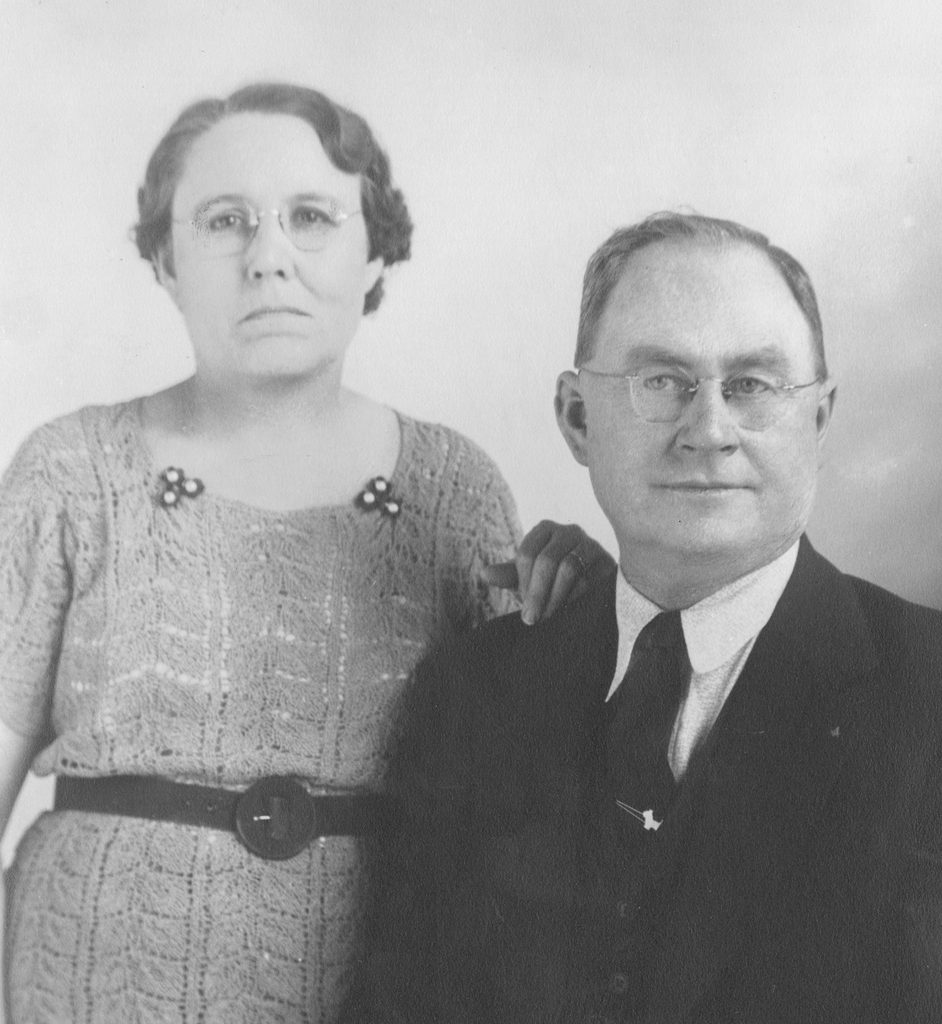
Tanner grew up during the Great Depression. According to family accounts passed down to Dan, his father did not have a bed of his own and slept wherever space was available.
After serving two years in the Navy during World War II, Tanner attended Northeastern State College in Tahlequah.
Dan recalls his father describing work as a small-boat operator in Manila, carrying cargo between shore and larger ships. A leg injury occurred when he was caught between a boat and a dock.
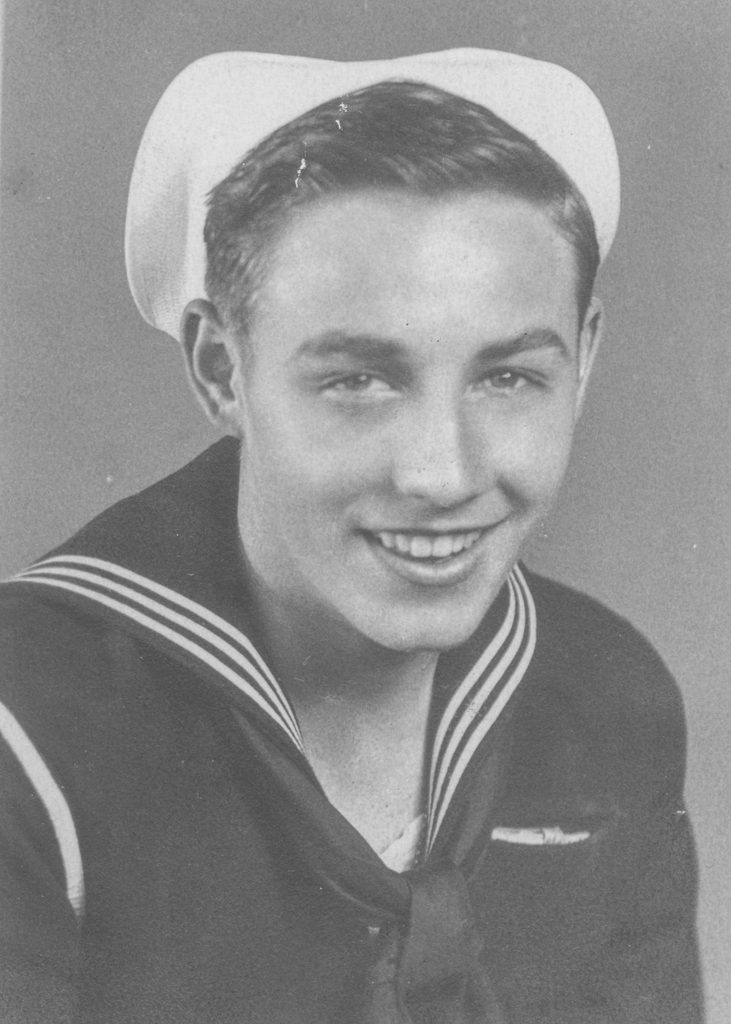
After college, Tanner entered teaching and school administration. In 1951, at age 24, he was appointed Rogers County superintendent of schools. He later served as superintendent at Foyil, where he also coached basketball.
Preparing for Seminole
In 1958, Tanner joined Oklahoma Military Academy in Claremore as Dean of Student Affairs. The institution would later become Rogers State University.
His responsibilities included student activities, counseling and athletics. He became Academic Dean in 1962.
Dan remembers his father traveling frequently to recruit students from high schools.
“He wore khakis every day and I can remember polishing his brass as a way to kind of be connected,” he said.
His mother, Joan, also worked at the academy, handling accounting and student records in its business office. Dan remembers his father being away frequently and credits his mother with much of his upbringing.
Dan was 14 when the family moved to Seminole in 1969.
“He took a job and we went,” he said.
For Tanner, the new job meant assembling the people and resources needed to open for classes that fall.
Working Through Relationships
Seminole’s community leaders had already rallied around the college when Tanner arrived. Voters had approved a bond issue. His assignment was to carry that commitment into the daily operation of a separate institution.
He brought six faculty members from Oklahoma Military Academy, turning to instructors whose teaching he knew to form the nucleus of his staff.
The timetable was short. There were courses to organize, students to recruit, equipment to obtain and temporary classrooms to prepare.
In his later account of the reorganization, Tanner explained that there had been no time for open advertising. Other hires came through recommendations from that initial group.
His expectations extended beyond the classroom. He looked for instructors willing to give extra time to student activities and community affairs. Hiring policies encouraged faculty members to live in Seminole and participate in local organizations.
State Sen. Bill Dawson later called Tanner a “task master” at his 1983 retirement roast.
“He never ran out of asking when he was president,” Dawson said.
In his 1977 doctoral dissertation, Tanner described community involvement as part of a college president’s responsibility: a way to build public support, raise funds and set an example for faculty members.
The college moved from temporary quarters at First Presbyterian Church to its permanent campus in 1971. Accreditation, full state support and additional buildings followed during his presidency.
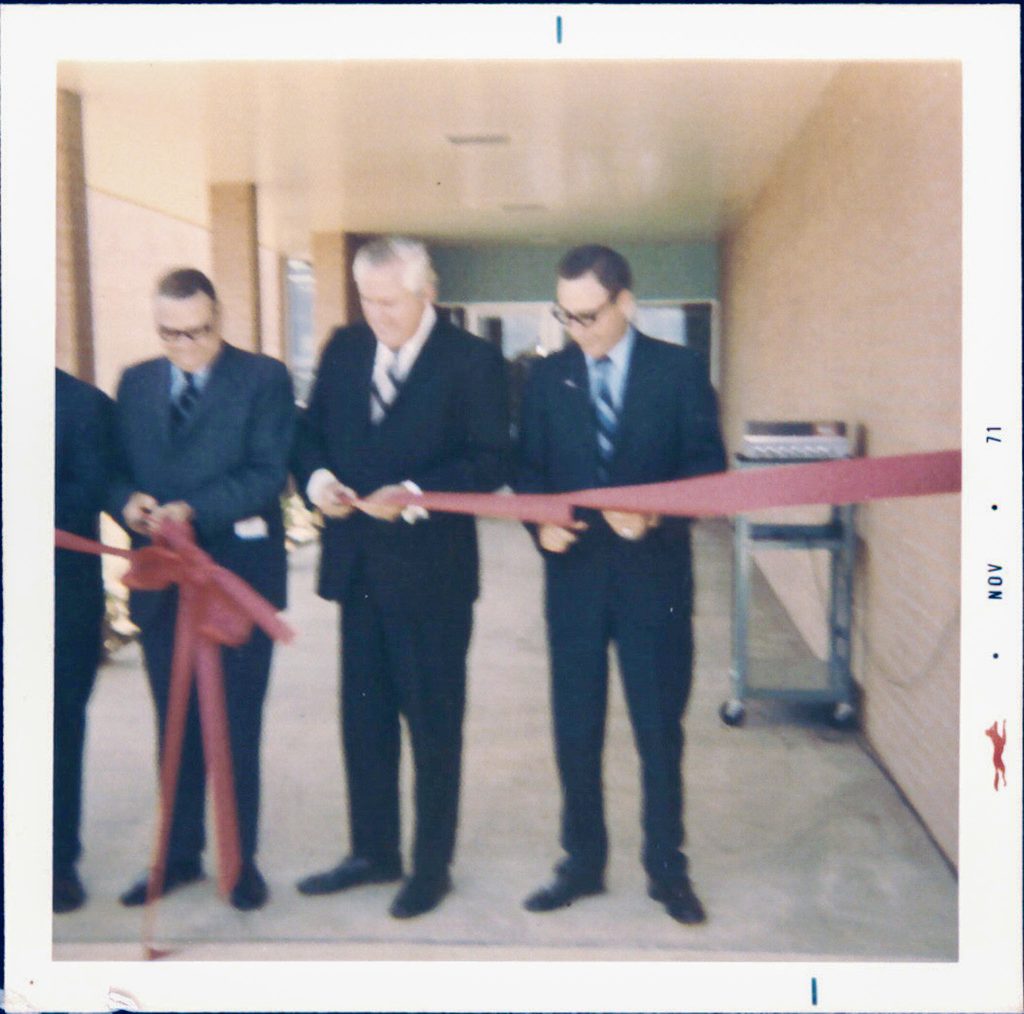
His civic work brought recognition early. In 1970, Tanner became Seminole’s first Citizen of the Year. He served as President of the Seminole Chamber of Commerce in 1975 and was inducted into the Seminole Hall of Fame in 1981.
He also served in leadership roles with civic organizations and on the Board of Directors of Seminole First National Bank.
Beyond the President’s Office
Tanner’s interest in college athletics extended beyond campus. Dan remembers his father inviting basketball players to the family home to cook.
“Well, he was certainly a social animal that I am not,” Dan said.
Dan, who operates Tanner Consulting, LLC in Tulsa, describes himself as more analytical and introverted. He wanted a life outside his father’s shadow, though Tanner provided an early opportunity: a summer job with the college’s architectural team, Ammerman and Thomas, before Dan pursued engineering.
He also watched his father continue his own education while leading the college. Tanner completed his doctorate at the University of Oklahoma in 1977, documenting the reorganization he had helped direct. That dissertation remains a source for the college’s history.
“I considered that a really significant accomplishment,” Dan said of completing the degree while working full time.
Retirement and a Roast
Tanner retired from Seminole Junior College on Jan. 1, 1983. A month later, he was offering to help the college meet another financial challenge.
In a Feb. 3 letter to his successor, President Gregory Fitch, Tanner wrote that he understood the college faced budget cuts of $120,000 to $150,000 because of a shortfall in state tax collections. Employees who had helped build the institution would be asked to make sacrifices, he noted.
“I feel, as retired President, I should also make a sacrifice to help the situation,” he wrote.
He asked the college to withhold his supplemental retirement payments for the remainder of that school term to help reduce its expenses. He closed with an offer: “If I can be of further help, please call.”
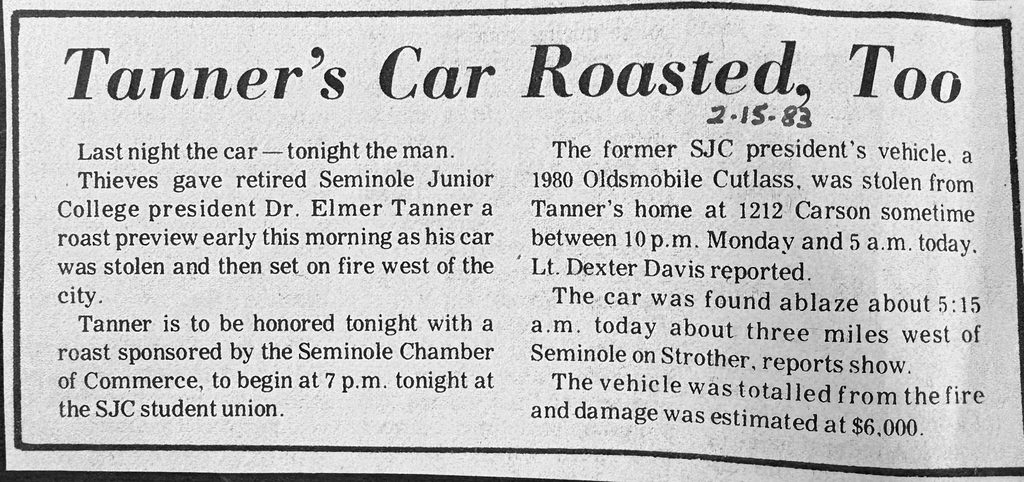
On Feb. 15, the Seminole Chamber of Commerce honored Tanner with a retirement roast at the college’s student union. The evening brought together colleagues, community leaders and state higher education officials for a mixture of teasing and thanks.
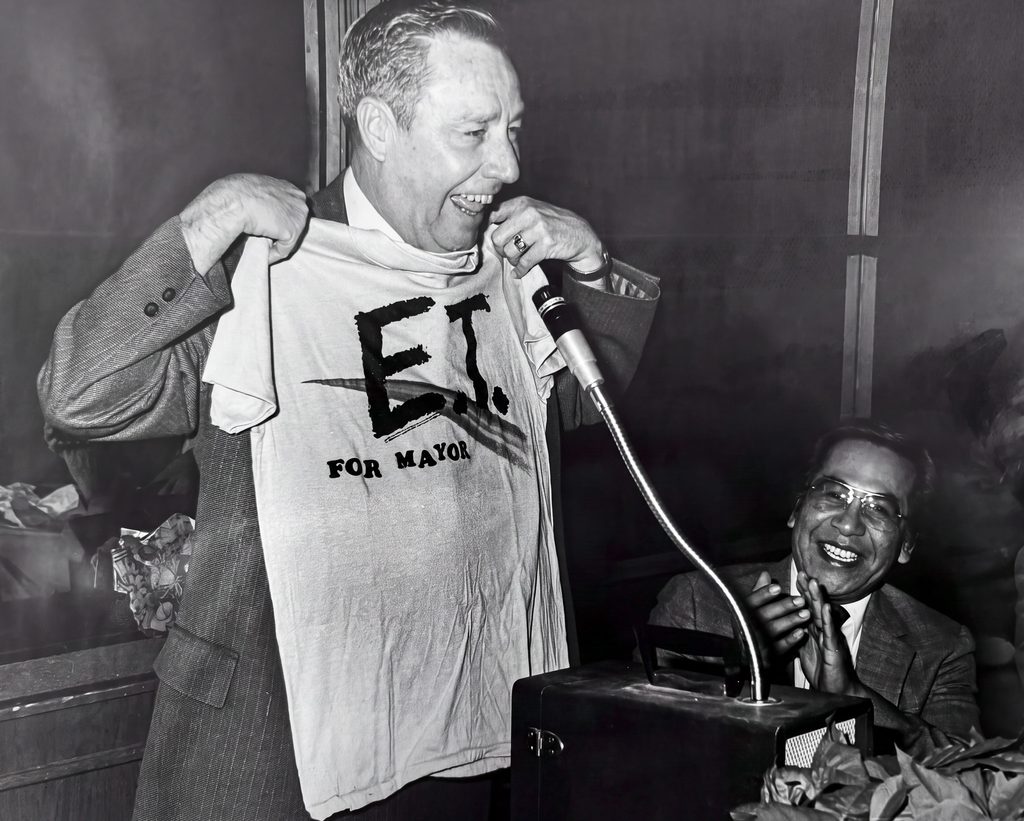
It followed an unwelcome start to the day. Tanner’s 1980 Oldsmobile Cutlass had been stolen from his home overnight and was found burning west of Seminole about 5:15 that morning, according to The Seminole Producer. The car was a total loss.
Tanner worked his recent troubles into his remarks that evening.
“If this is retirement I’m going back to work,” he told the audience.
Former Chancellor E.T. Dunlap recalled Tanner’s constant pursuit of the next undertaking.
“Elmer always had another project,” Dunlap said, joking that Tanner was “the first college president who ever conned me out of a check.”
Basketball Coach Jim Kerwin, Tanner’s next-door neighbor, joked that he was probably the only college coach in the nation whose lawn was mowed by the college president.
Tanner credited the college’s boards, local financial institutions and the Chamber of Commerce with helping make his work possible.
Still Finding a Way to Connect
Tanner later returned to Claremore.
In 1986, he ran for Oklahoma House District 9, advancing from a four-candidate Democratic primary to a Sept. 16 runoff against Claremore attorney Dwayne Steidley. Steidley won the nomination, receiving 3,245 votes to Tanner’s 2,215.
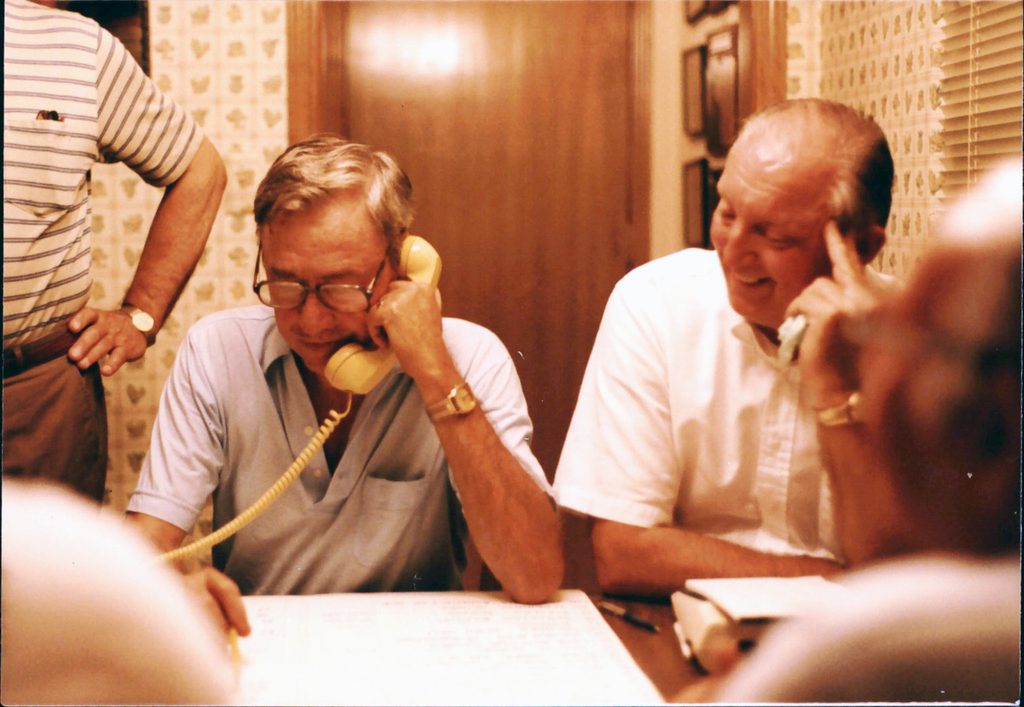
His involvement in community organizations continued. In a tribute published in the Tulsa World, columnist Terrell Lester described Tanner’s work with the Claremore Elks Lodge and American Legion Post 141. Longtime friend Ernie Smart remembered someone inclined to act when a job needed doing.
“If he saw something that needed to be done, he’d go do it,” Smart told Lester.
In his final months, Tanner struggled with cancer of the larynx. Dan recalls his father undergoing surgery and radiation and increasingly relying on written notes to communicate.
The voice that had greeted so many people was gone. Lester described how Tanner continued sharing jokes with his friends: He wrote them on a notepad and passed them around, still smiling and laughing.
Tanner died in Claremore on Feb. 3, 1994. He was 67.
At his father’s funeral, Dan turned around to view the crowd.
“I just remember being on the front row and when you turn around and look behind you, the place is full,” he said.
“Just full of people I don’t know.”